Ecology Specialty
SSI Nudibranch Ecology
Nudibranchs are one of the most visually striking groups of animals on any tropical reef — extraordinary in their variety, strange in their biology and surprisingly informative about reef conditions. This course teaches you to find them, identify the main groups and understand what makes them ecologically remarkable.
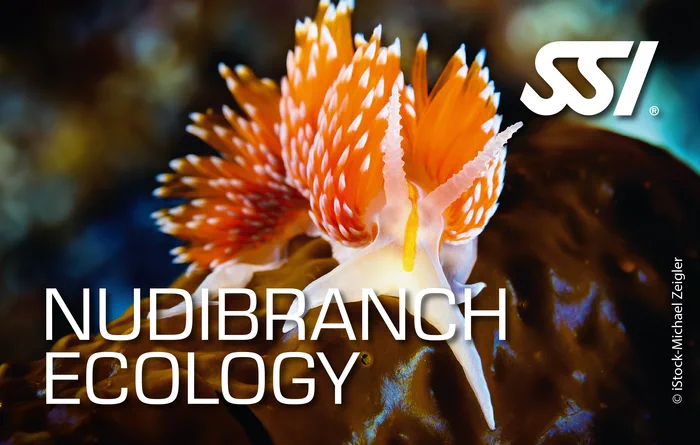
Nudibranch Ecology — Key Facts
1 day
Duration and Structure
- Digital learning : Nudibranch biology, classification and ecology
- Training dives : Two to three targeted observation dives
- Search skills : Techniques for locating nudibranchs on the reef
- Debrief : Species identified and behaviour discussed after each dive
Age 10+
Prerequisites
- Certification : Open Water Diver or equivalent
- Age : Minimum 10 years
- Note : Particularly good for divers interested in macro photography
Macro world unlocked
What You Get
- Identify the main nudibranch orders found in Thailand
- Understand their extraordinary chemical defences and feeding methods
- Use their presence as reef health indicators
- Find nudibranchs reliably on any reef dive
Strange Biology, Real Importance
What Makes Nudibranchs Worth Studying
Nudibranchs are shell-less molluscs — essentially snails that traded their shell for chemical defences. Many sequester toxins from their prey and re-use them for their own protection. Some incorporate the stinging cells of the hydroids they eat. Their colours are not decoration; they are warnings. The course explains these mechanisms and puts them in the context of reef ecology.
- Major orders — dorid, aeolid, dendronotid and arminid nudibranchs
- Chemical defence — toxin sequestration and aposematic colouration
- Feeding strategies — sponge feeding, hydroid feeding and predation on other molluscs
- Search techniques — where to look, how to move and what substrates to target
- Reef indicators — nudibranch diversity as a proxy for reef health